The Library · Art of War
Art can preserve what war tries to erase.
A visual archive of conflict and memory: the 2023 Art of War: Visions of the Afghan Experience exhibition, photographs I took in Libya in early 2012 after the fall of Gaddafi, and later writing and artwork from Ukraine.
War Through the Civilian’s Eyes
Wars are planned by governments. They are experienced by people.
The briefings, maps, targets, and military movements matter. But they are never the whole story. War is also a family leaving home, a message painted on a wall, an artist trying to preserve a memory, an ordinary object carried through an evacuation, or a child drawing what adults have struggled to explain. This collection starts there, with the people who lived through it.
Washington, D.C. · June 3, 2023
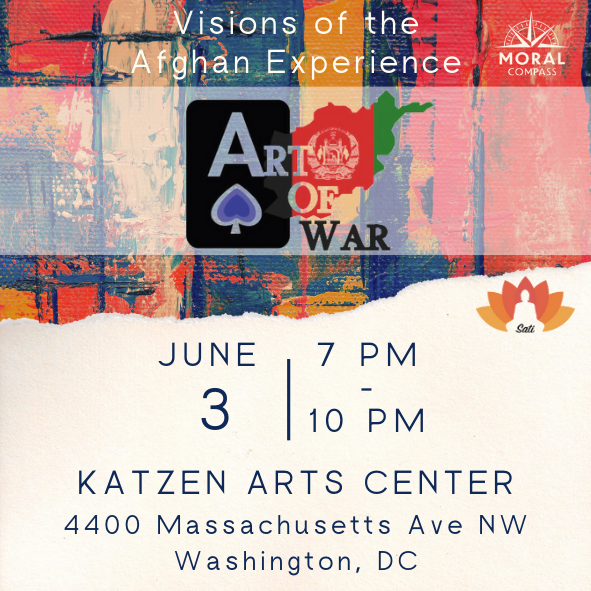
Visions of the Afghan Experience
The Heart of an Ace exhibition brought Afghan artists together with veterans and volunteers affected by the war and withdrawal. The aim was communication and healing through storytelling, while giving Afghan artists space for work that could no longer be fully appreciated inside Afghanistan.
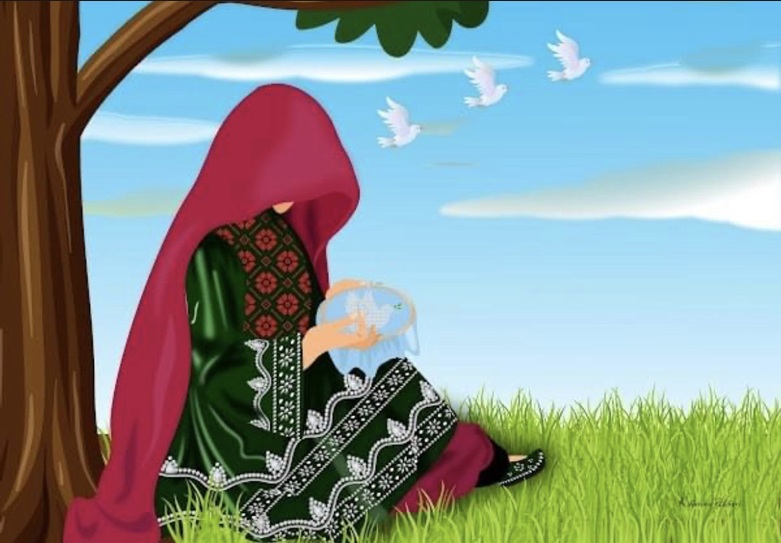
Exhibiting Artist
Khatera Akbari
Khatera’s work was part of the Art of War exhibition. Her imagery centers Afghan women, resilience, hope, and the human consequences of conflict.
The image at left is preserved from Heart of an Ace material connected to the exhibition.
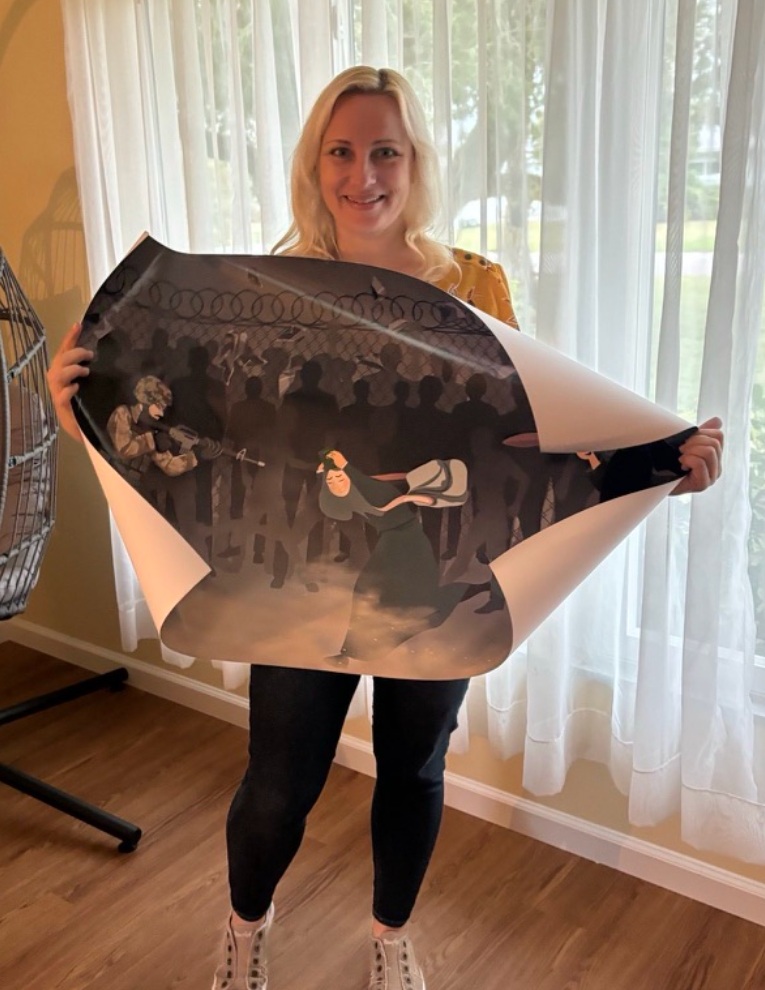
A piece I brought home
Art that stayed with me.
I purchased this piece by Khatera Akbari from the Art of War show. It remains part of my personal collection, and a reminder of why creating space for these artists mattered.
Exhibition Record
Nada Habibi · Unseen Yet Unbroken
Nada Habibi’s portfolio identifies her collection Unseen Yet Unbroken as part of the June 3, 2023 Katzen exhibition. The documented works include Bound in Water and Ice, Chained Futures, and Broken Pen, Unbroken Spirit.
View the artist portfolio“The best day after a bad emperor is the first.”Tacitus
A version of this line lived for years in my boss’s email signature. In Libya, it stopped feeling abstract.
Libya · Early 2012 · Personal Photography
The walls after a revolution.
I took these photographs in Libya in early 2012, in the months after the fall of Muammar Gaddafi. The murals were immediate, public records of a country processing revolution, identity, anger, hope, and what came next.
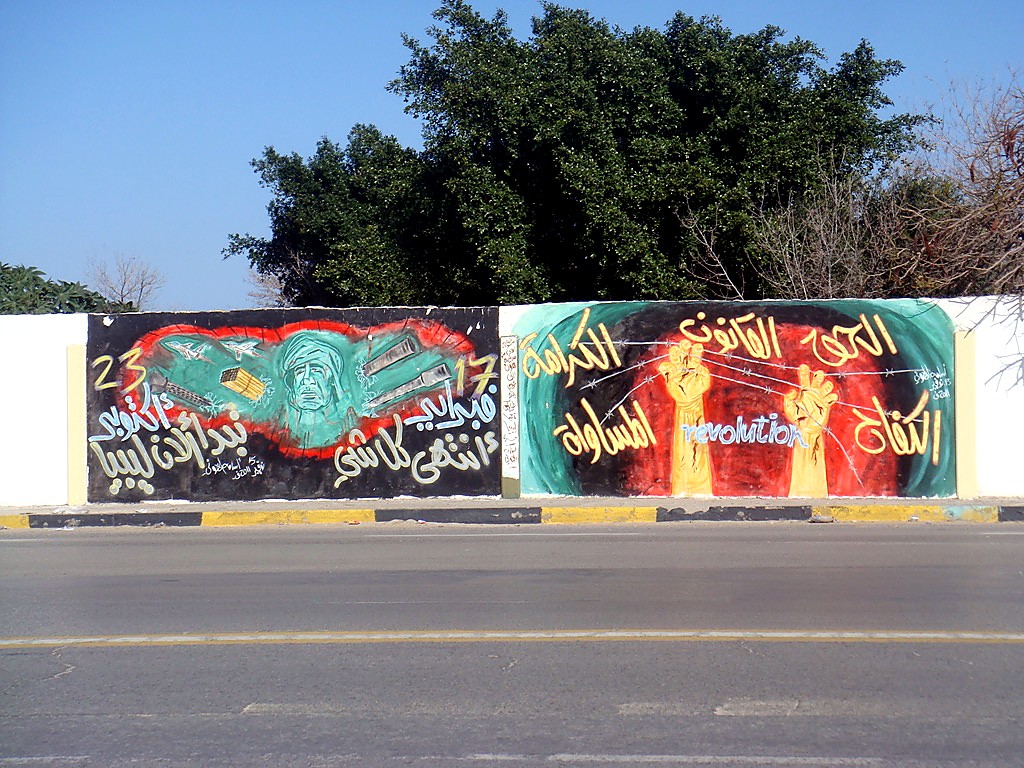
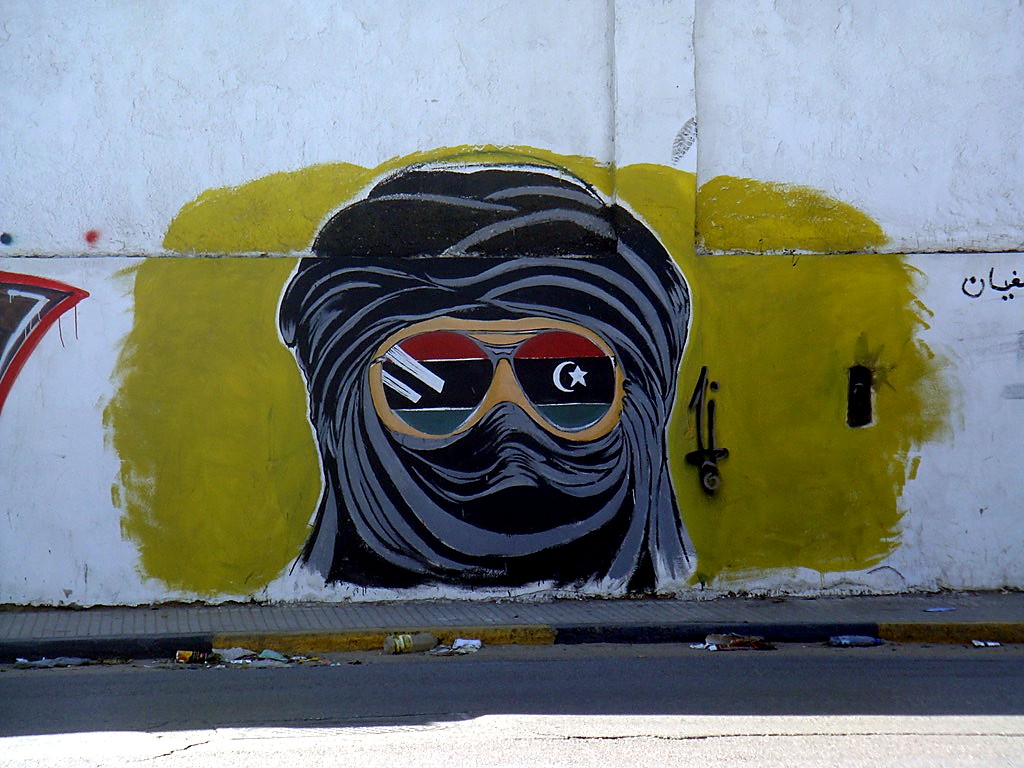
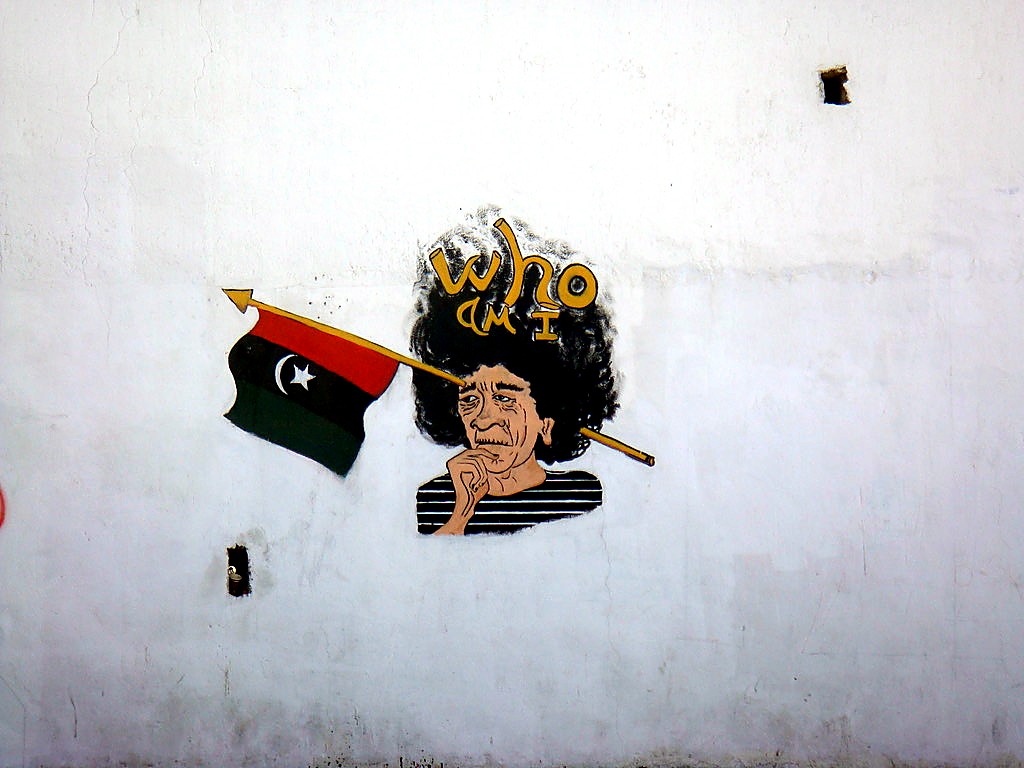
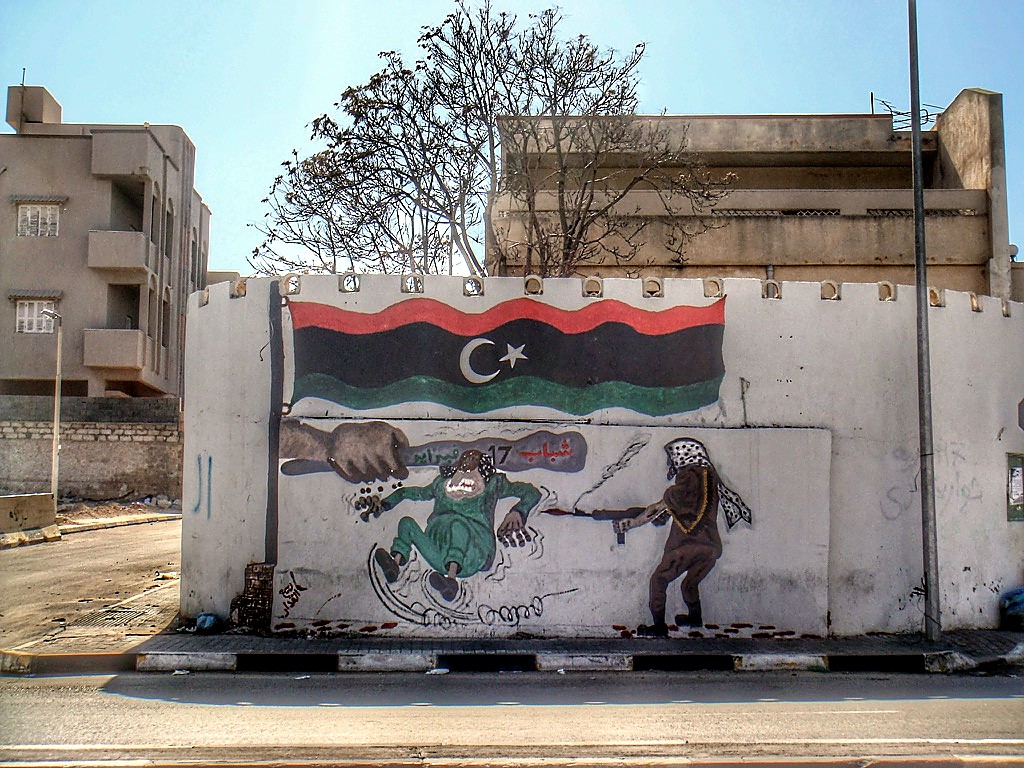
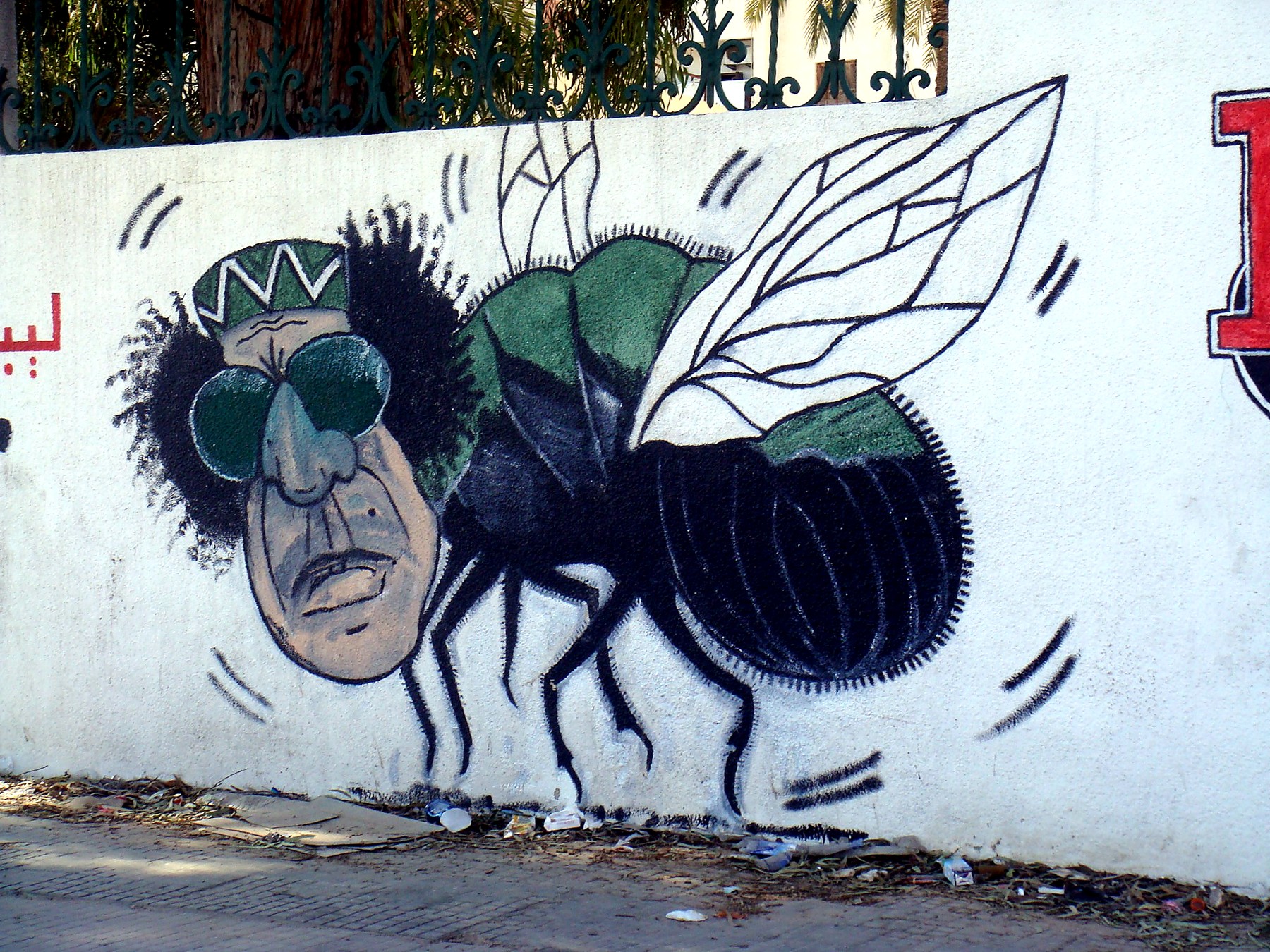
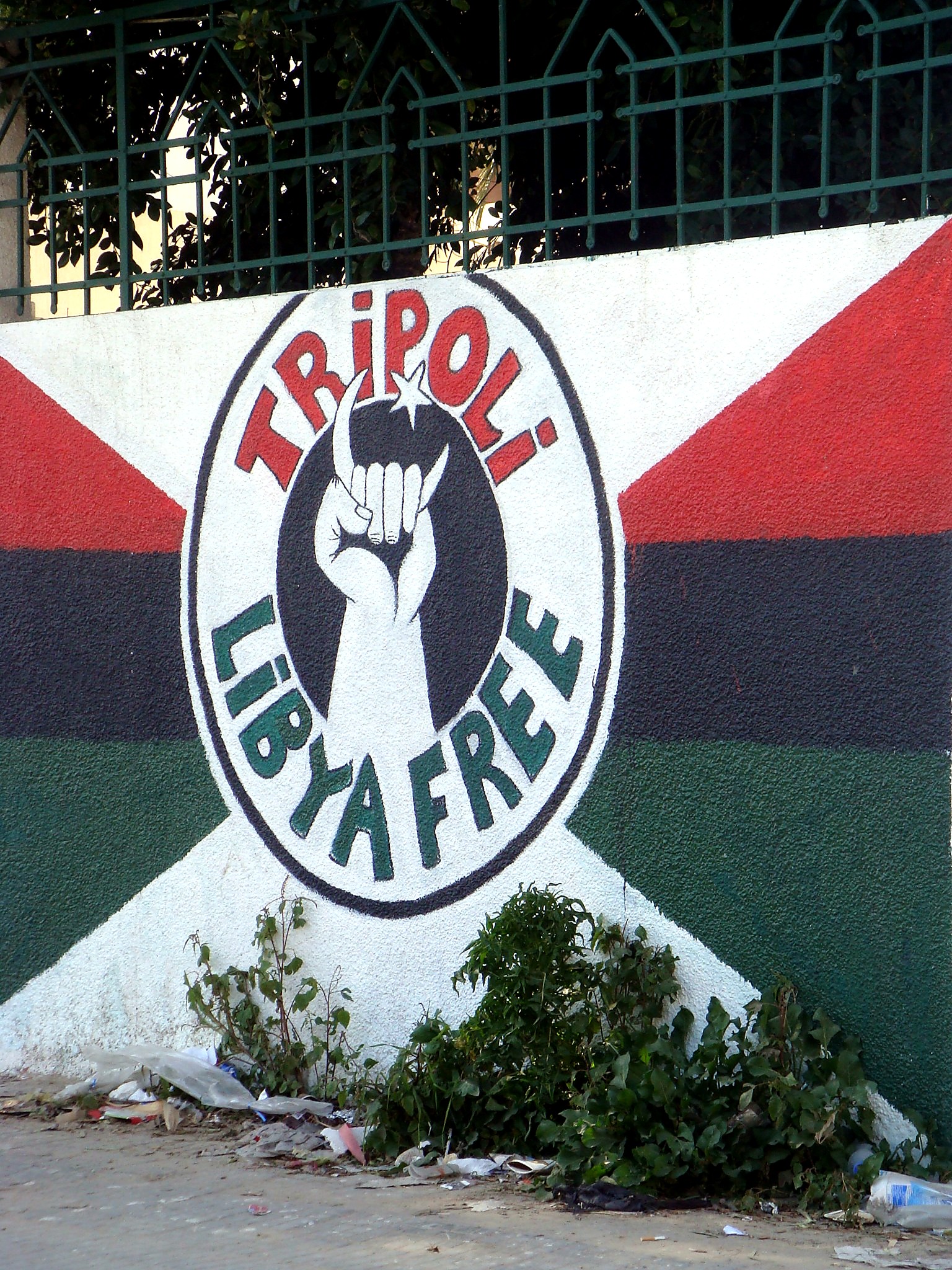
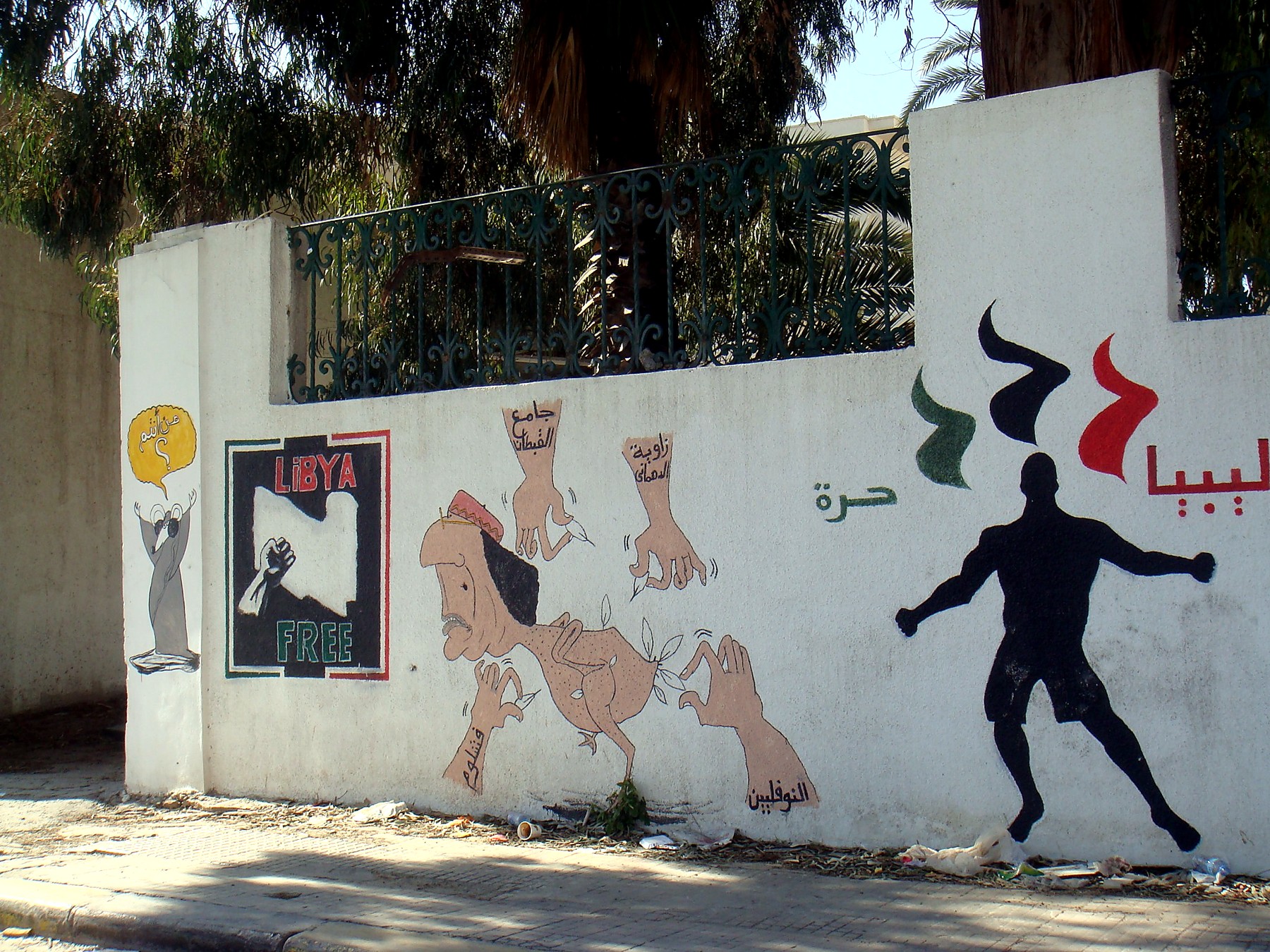
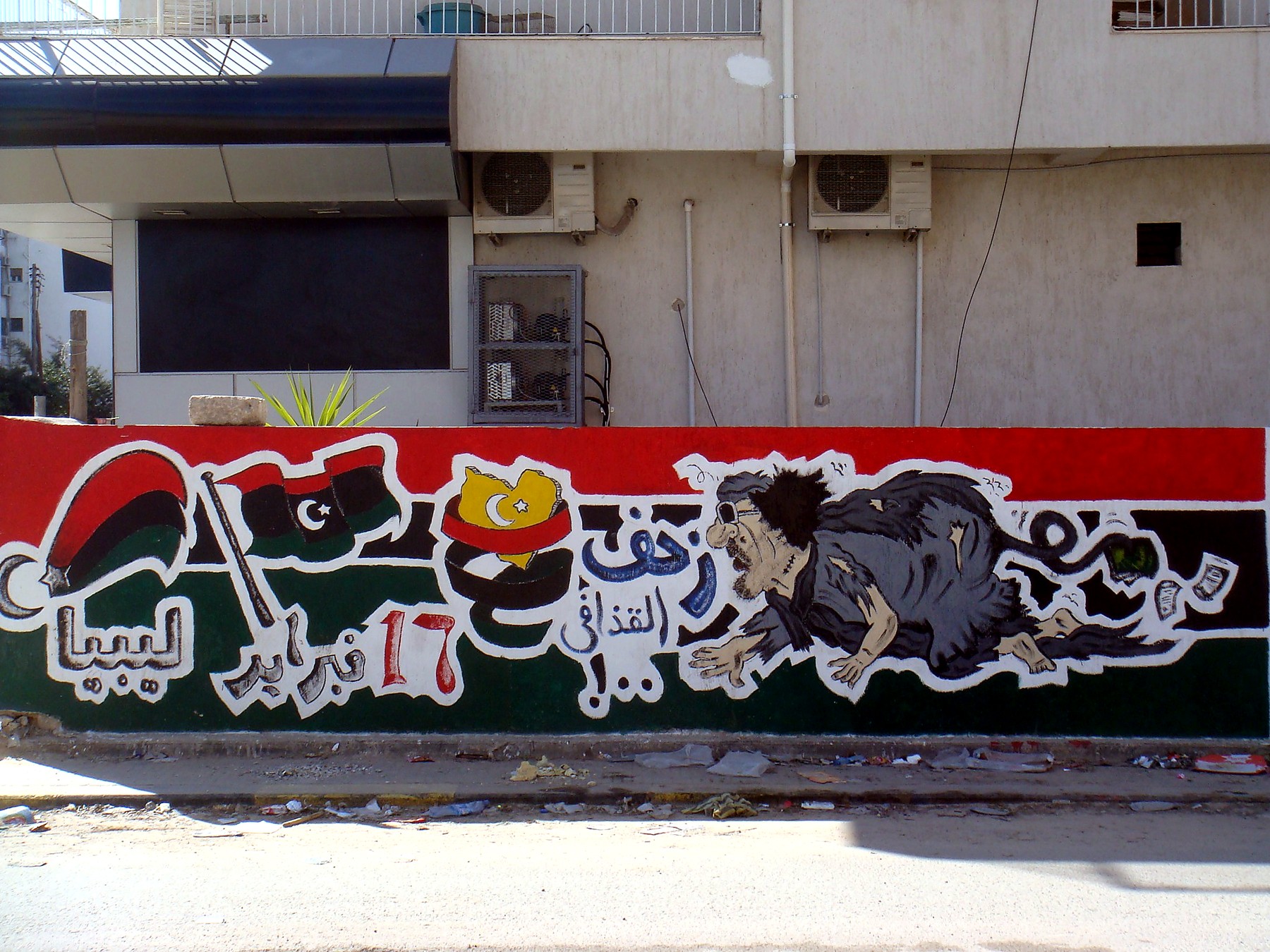
Photographs by Sarah Adams · Libya, early 2012
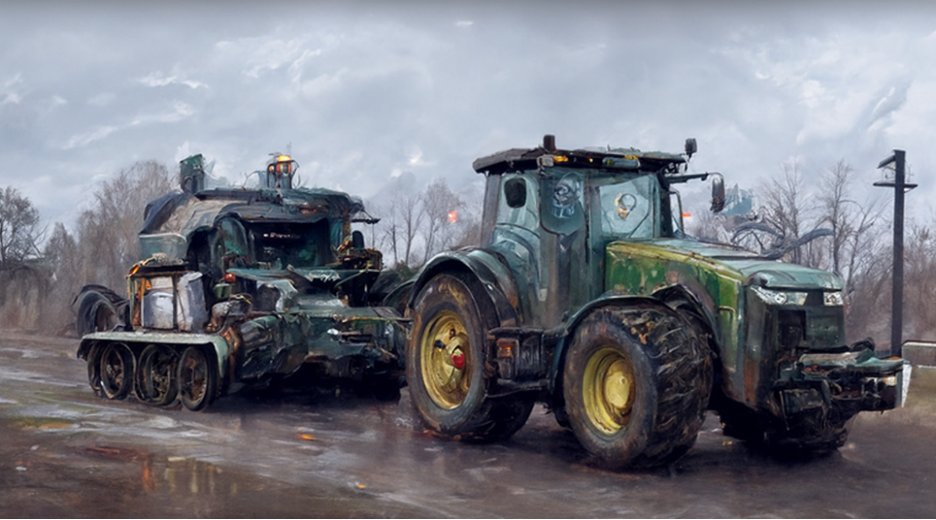
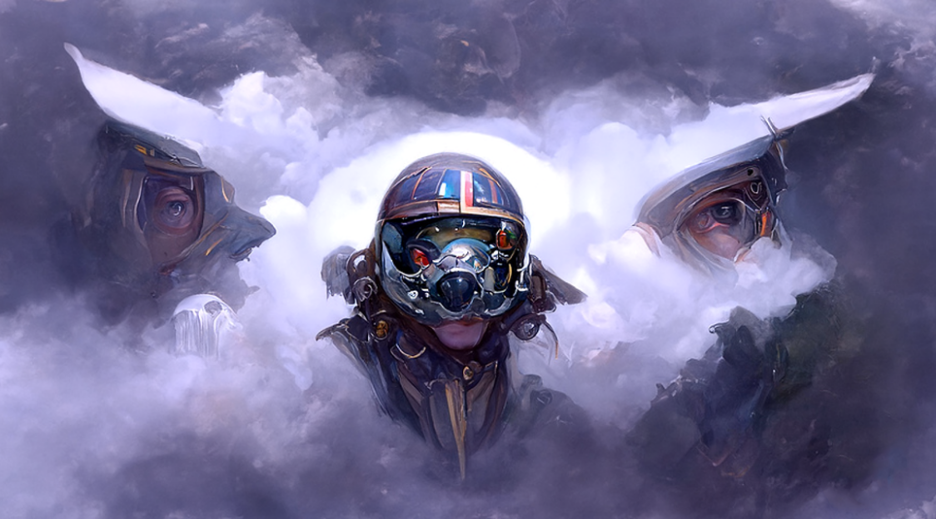
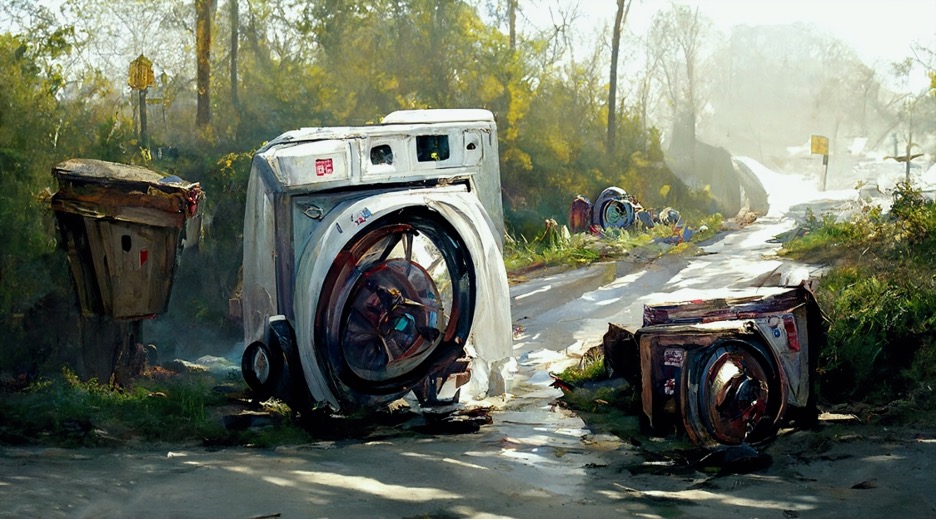
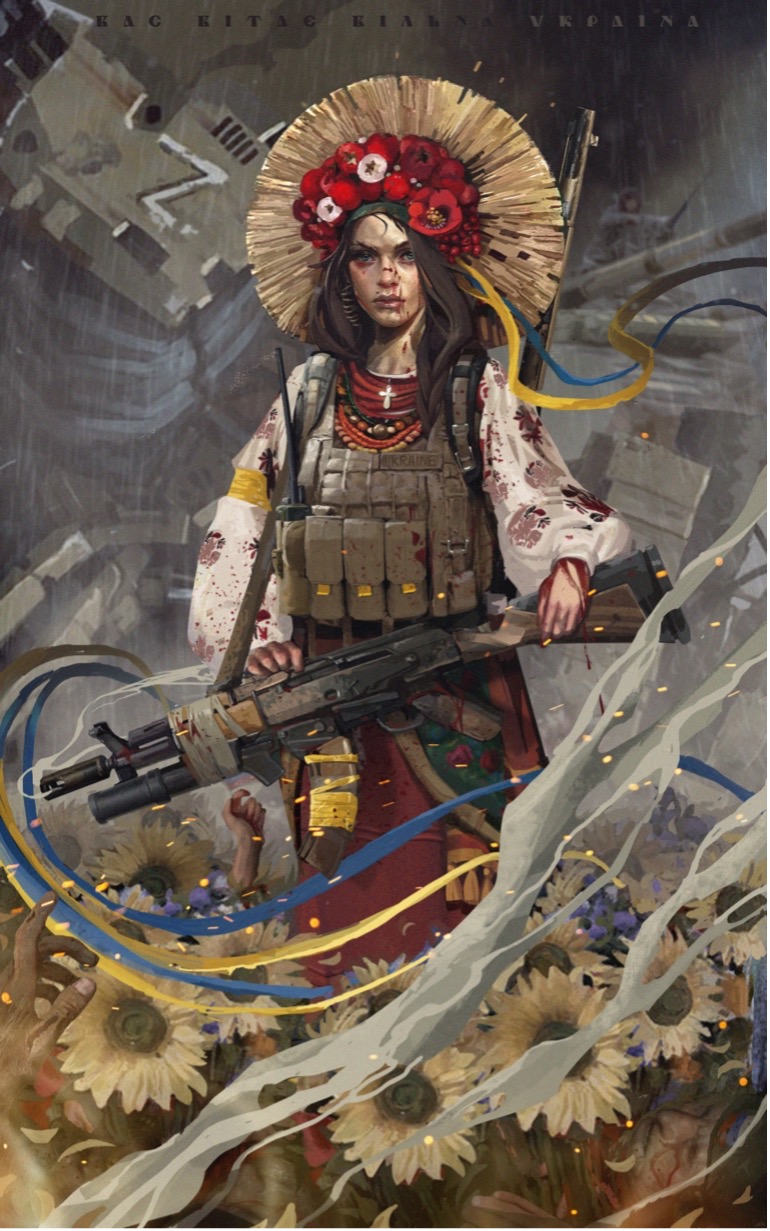
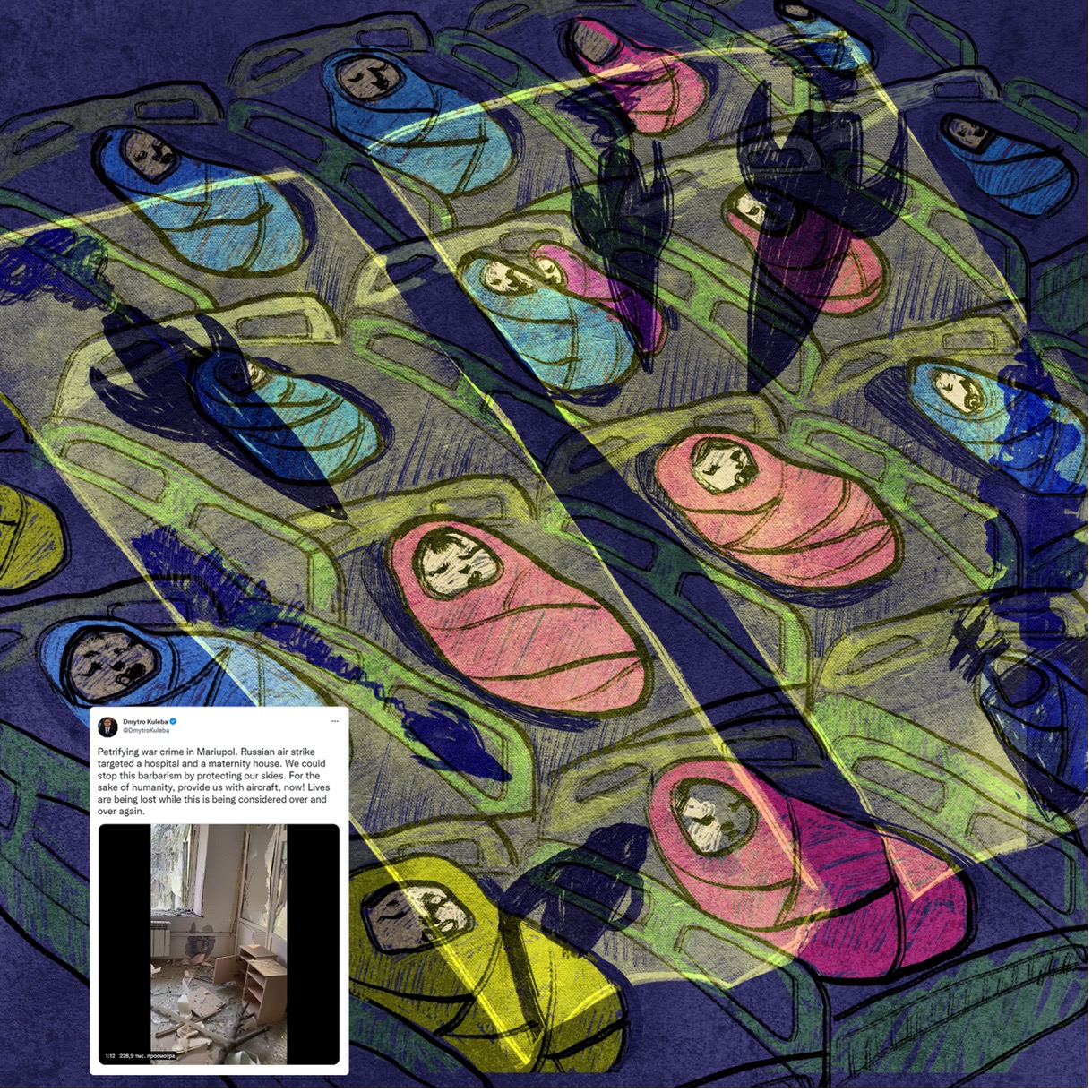
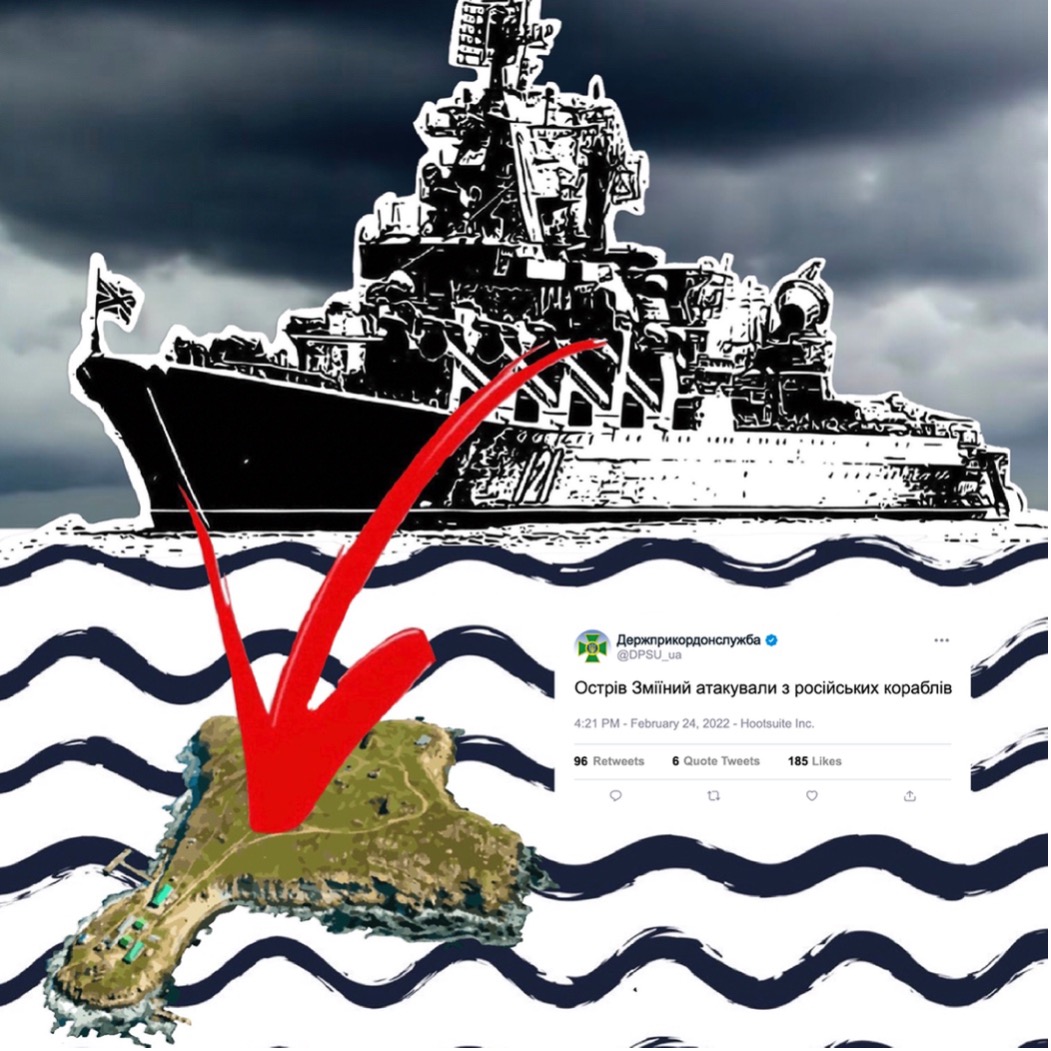
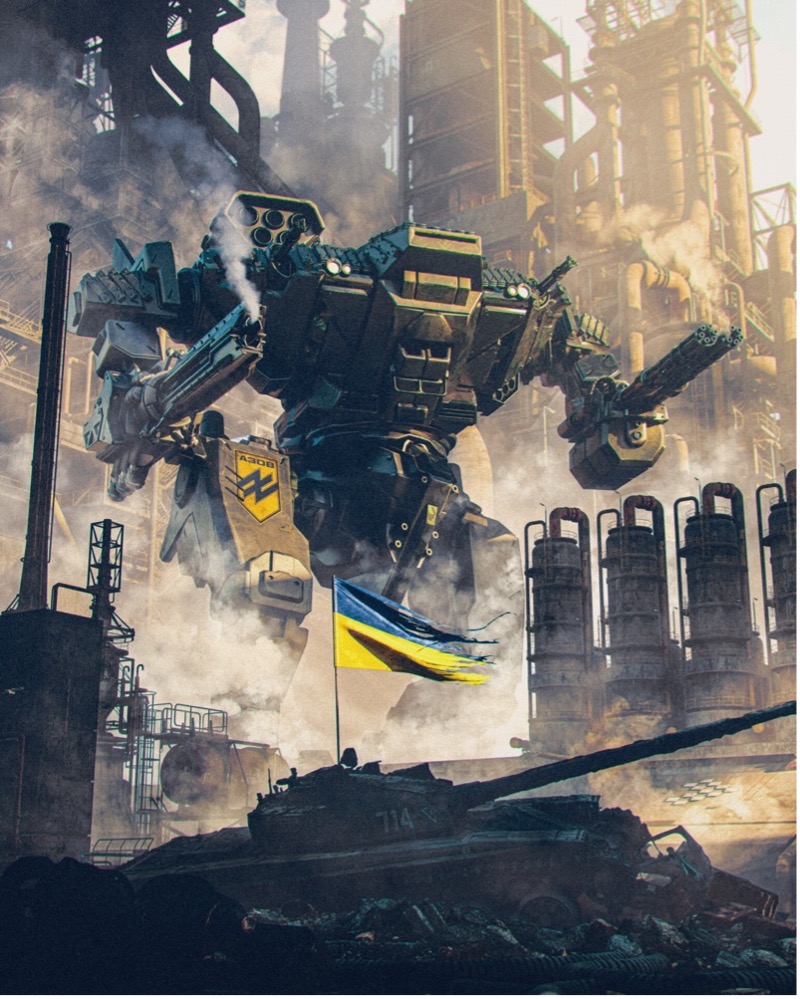
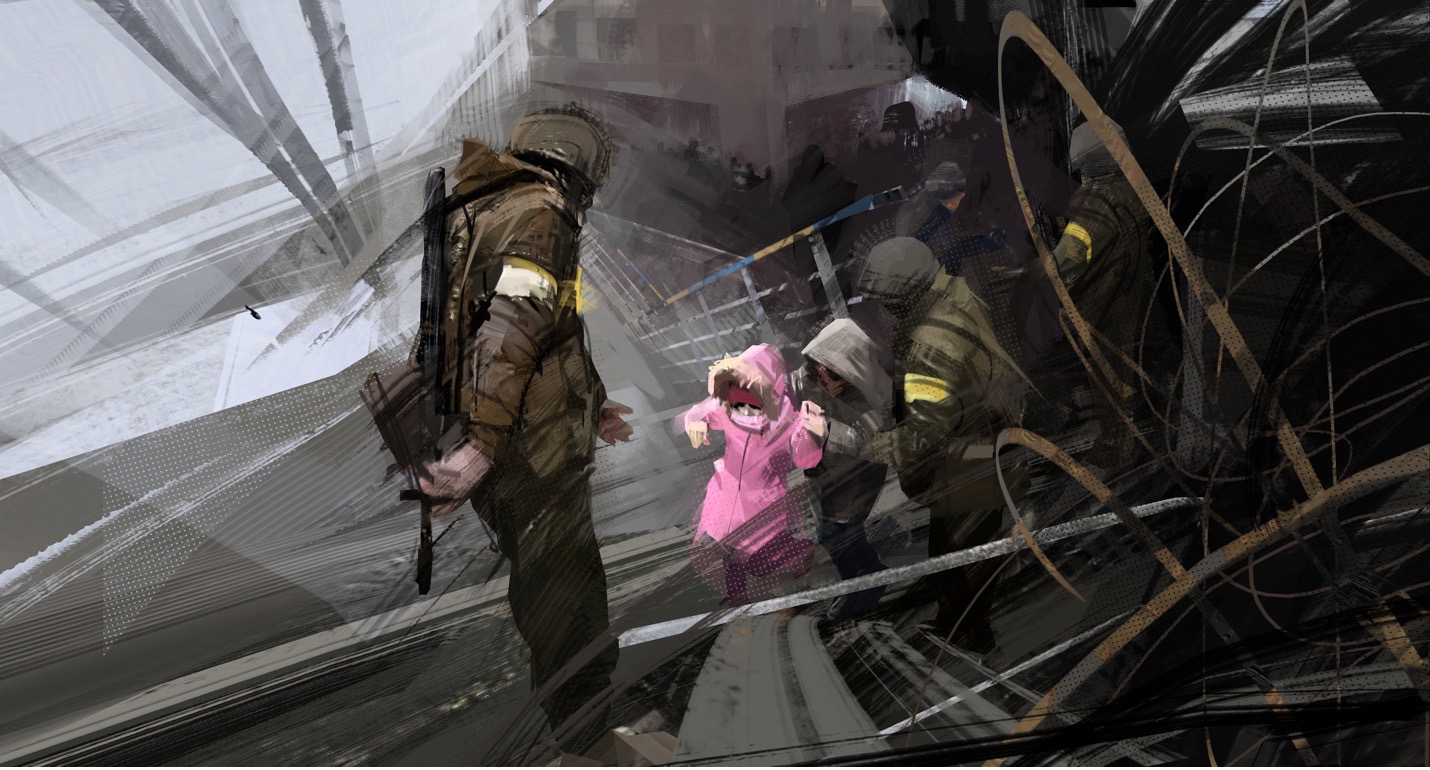
Ukraine · The Art of War
Art as witness, resistance, and memory.
These images accompanied my 2022 Ukraine: The Art of War article and are preserved here from the original project files.
My Art of War
Rules I carry with me.
War leaves lessons behind. Some arrive loudly. Others take years to understand. These are the ones I have carried with me, drawn from watching patterns form, studying adversaries, making difficult judgments with incomplete information, and learning that what matters most is often visible long before it is obvious.
- 01The absence of information is information.
- 02The smallest signal can precede the largest event.
- 03Know what the enemy believes, not merely what they can do.
- 04Never study an event in isolation. Networks tell the larger story.
- 05Names matter. Accountability starts with knowing who you are looking for.
- 06Deception works best when it confirms what we already want to believe.
- 07Safe haven is an operational advantage, not simply a place on a map.
- 08The day after matters as much as the day of.
- 09People living through a war will see things the briefing room cannot.
- 10Preparation before a crisis is worth more than explanation after it.
- 11Capability can return faster than institutions are willing to admit.
- 12Never confuse quiet with safe.